
"The Lord is close to the broken-hearted and saves those who are crushed in spirit."
Psalm 34:18
Supporting women who disclose abuse in marriage is a God-given pastoral responsibility that requires wisdom, compassion, and courage.
Your response can profoundly influence her safety, spiritual wellbeing, and willingness to seek further help. The following practical guidance is designed to help you walk alongside her.
-
Wise pastoral care begins with recognising that not all struggling marriages are the same.
As Christian counsellor Leslie Vernick explains, there is an important difference between a disappointing, difficult, and destructive marriage. A destructive marriage is marked by patterns of abuse, coercive control, fear, or ongoing harm, and should not be treated simply as a marriage in conflict.
Recognising these differences helps to respond appropriately, protecting the vulnerable, addressing sin, and seeking the truth with wisdom and compassion.
-
Domestic and family abuse is complex. Take time to learn about the dynamics of abuse, including coercive control, isolation, gaslighting, manipulation, trauma bonding, and the cycle of abuse. Recognise that abuse is not simply a marriage problem - it is an abuse of power and control.
-
When a woman discloses abuse, respond with compassion rather than suspicion. It often takes immense courage for a Christian woman to speak up. Many fear they will not be believed, that they will be blamed, or that they will be encouraged to return to an unsafe situation.
-
Most women disclose only a small part of what they have experienced at first. Years of manipulation, isolation, fear, and trauma can make it difficult to explain the full picture. A woman's account may seem hesitant or incomplete, but this is a common response to trauma - not evidence that she is being dishonest.
-
Abusers are often skilled at presenting themselves as caring, respectable, and trustworthy. They may be well-liked in the church, hold positions of leadership, or appear charming and sincere. They may also portray themselves as the victim. Do not assume that someone's public character reflects how they behave in private.
-
Do not treat abuse as a disagreement between equals. Abuse creates an unequal power dynamic, making it unsafe for the victim to confront the abuser or participate in joint meetings or marriage counselling while the abuse continues.
Many church leaders are men who have not personally experienced the fear and control that accompany an abusive marriage. Be willing to listen to a woman's lived experience and recognise that the power an abusive husband holds over his wife is often invisible to outsiders.
-
Abuse is fundamentally a character problem, not a communication problem. It reflects sinful choices to dominate, control, intimidate, and misuse power. While every person is responsible for their own sin, the abuse itself is never the victim's responsibility.
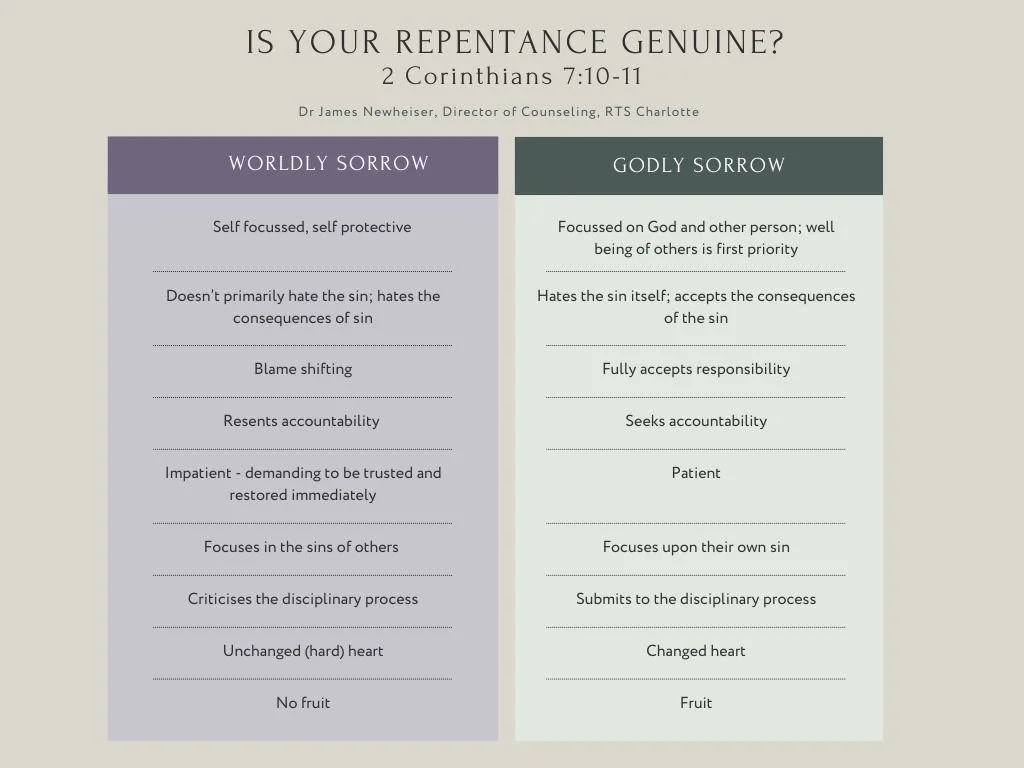
Do not overestimate your ability to reason with the abuser. Lasting change requires genuine repentance, accountability, and the transforming work of God - not simply pastoral conversations.
-
Your first responsibility is to protect and care for the wife and children.
While it is appropriate to call the abuser to repentance, do not allow this to become your primary focus. Put your greatest time and energy into supporting those who have been harmed and helping them find safety, stability, and hope.
The immediate goal is not reconciliation but an end to sinful and abusive behaviour. Reconciliation, if it is ever possible, can only be considered after there has been genuine repentance, sustained behavioural change, accountability, and restored safety.
-
Children living with domestic abuse are never "just witnesses." They are victims too.
Even when they are not physically harmed, they experience fear, insecurity, confusion, and emotional trauma. They are also learning about relationships from what they see. Without healthy intervention, they may become more vulnerable to unhealthy or abusive relationships as adults or repeat sinful patterns they have observed.
Children may also struggle spiritually, finding it difficult to trust God, understand healthy authority, or reconcile what they hear at church with what they experience at home.
Church leaders should intentionally care for the children, not just the adults. Wherever possible:
Provide safe, trusted adults who can mentor and encourage them.
Connect them with caring families within the church.
Pray with and for them.
Help them experience healthy, Christ-like relationships.
Ensure they are not overlooked while attention is focused on the adults.
Do not assume someone else will care for the children. Make sure it happens.
-
Check in with women and children privately, not only during family or home visits. Encourage trusted women within the church to build supportive relationships with those who may be isolated.
If a woman meets with church leaders, encourage her to bring a trusted female support person or advocate. Trauma can affect memory, confidence, and emotional regulation, and having someone present can help her feel safe and heard.
Never require the victim and the abuser to meet together while abuse is ongoing.
-
Do not underestimate the reality of evil or the ways it can distort relationships and hide behind outward appearances. Pray for wisdom, discernment, and courage to protect those who are vulnerable.
Be a place of safety.
Listen well.
Believe carefully.
Protect the vulnerable.
Care intentionally for the children.
Seek professional advice when needed
Church leaders are called to reflect the heart of Christ by protecting the vulnerable, pursuing truth with wisdom, and holding those who abuse others accountable.
Your compassionate and wise response may be the turning point that helps a family move from fear towards safety, healing, and the hope found in Christ.

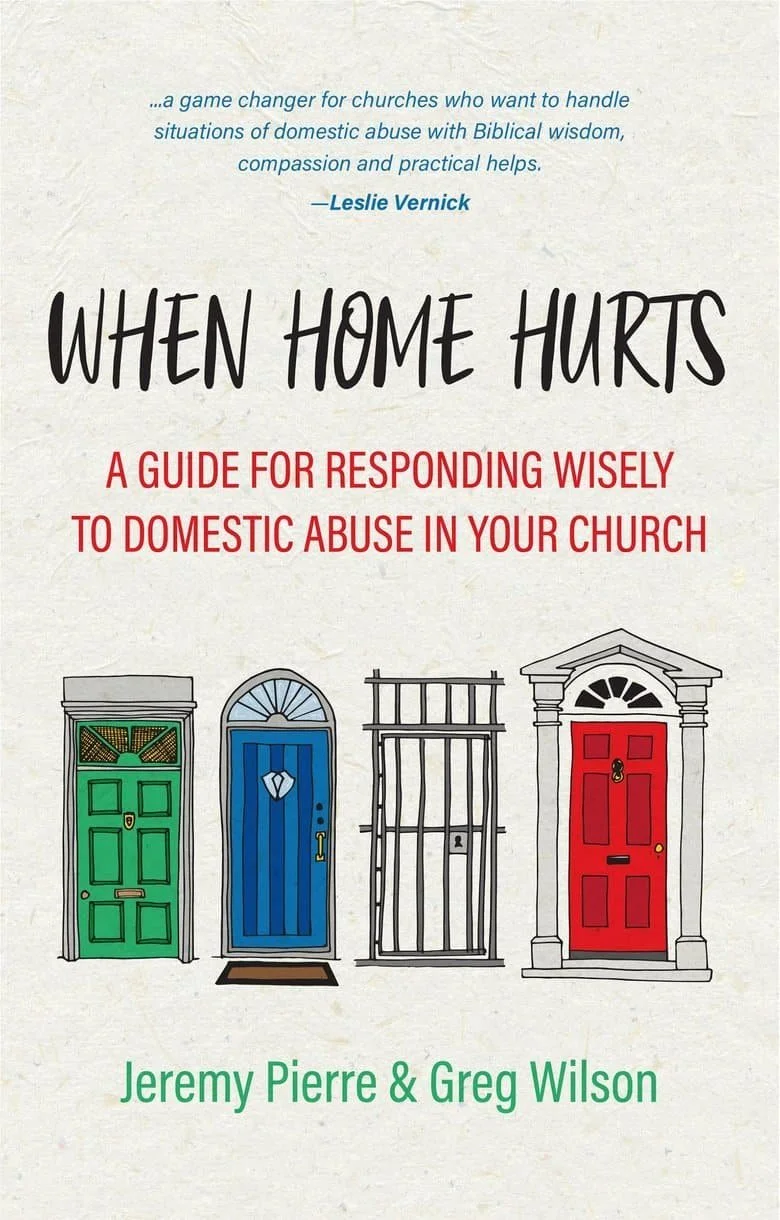
When Home Hurts
by Jeremy Pierre, Greg Wilson
A pastoral guide to dealing wisely with domestic abuse in the local church.
This book is intended to equip pastors, church leaders and church members to respond with the heart of God to situations of domestic abuse that occur in their local church. Prioritising the safety of the victim at all times, Jeremy Pierre and Greg Wilson seek to help you be the kind of church leader, church member, friend, parent, sibling, or neighbor who responds wisely.

From our blog